Patina vs. Restoration: Weighing Choices
Have you ever found yourself torn between preserving the charm of a classic car and restoring it to its original glory? This article explores the nuanced differences between these two approaches, helping you make an informed decision that aligns with your passion and goals.
What You Will Learn
- Preserving patina maintains a car's authenticity and history, celebrating its unique character.
- Full restoration revitalizes a vehicle, enhancing performance and aesthetic appeal while potentially increasing its market value.
- Best practices for preserving classic cars include regular cleaning, protective coatings, and climate control to prevent deterioration.
- Key considerations for enthusiasts include defining personal goals, budget constraints, and evaluating the emotional connection to the vehicle.
Classic Car Decisions: Preservation vs. Full Restoration
This visual outlines the distinct paths of preserving a classic car's originality versus undertaking a full restoration. It highlights the core characteristics, processes, and considerations for each approach, offering a clear comparison for enthusiasts.
Preserving Patina: Honoring Authenticity
Focuses on maintaining the vehicle's original condition, embracing its natural aging process and history.
- Originality & History
- Unique Character
- Community Appeal
Key Techniques:
- • Gentle Cleaning
- • Protective Coatings
- • Climate Control
Full Restoration: Renewing to Original Spec
A comprehensive process to return a vehicle to original specifications or even enhance its features.
- Mechanical Revitalization
- Aesthetic Enhancement
- Value Increase
Common Methods:
- • Bodywork & Painting
- • Engine Rebuild
- • Interior Restoration
Decision Framework: Choosing Your Path
- 1. Reflect on Story: What makes your car special?
- 2. Set Clear Goals: Performance vs. Originality?
- 3. Assess Resources: Budget, time, skills?
- 4. Research Techniques: Preservation or restoration methods?
- 5. Explore Options: Align with heritage and needs.
Understanding the Key Differences: Preserving Classic Car Patina vs. Full Restoration
As a car enthusiast and storyteller, I often find myself captivated by the intricate stories that classic cars tell. When it comes to preserving these beloved vehicles, there are two primary approaches: preserving patina and executing a full restoration. Each method has its own merits and appeals to different types of car lovers. Let's dive into what these concepts mean and how they can shape the future of your classic car.
Defining the Concepts: What Does Preservation Mean?
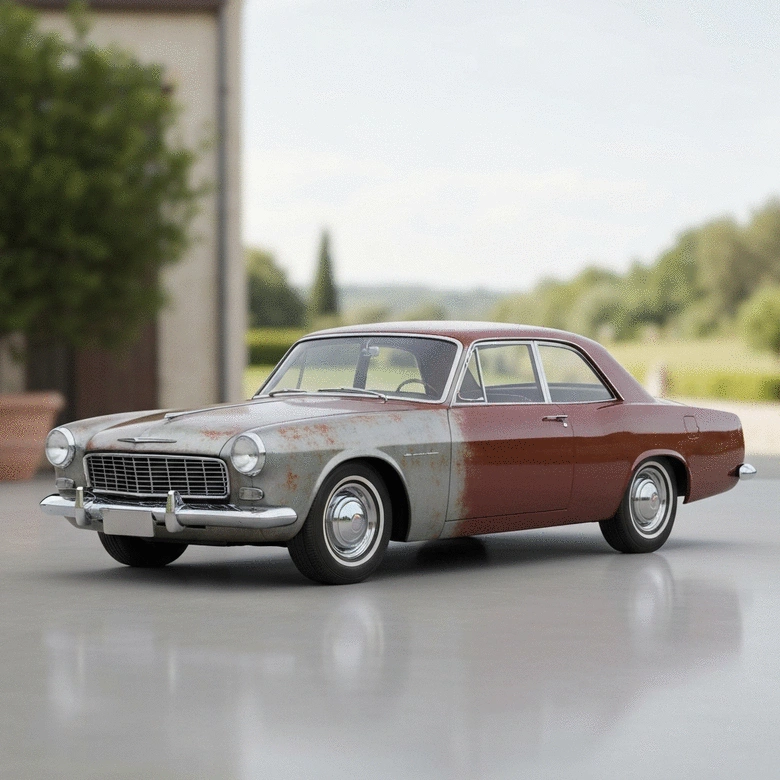
Preservation, in the context of classic cars, refers to maintaining the original condition of a vehicle without extensive modifications. This approach values the vehicle's authenticity and history, which means keeping its unique patina. This natural aging process adds character and tells a story that many enthusiasts find irreplaceable. By preserving a car’s patina, we honor its legacy and the memories it holds. This aligns with the broader principles of conservation and restoration of movable cultural property, emphasizing the importance of historical integrity.
- Originality: Reflects the vehicle's journey and history.
- Character: Each scratch and dent adds a unique narrative.
- Community Appeal: Many collectors appreciate the beauty of an untouched classic.
For many, preserving patina is about celebrating the past and keeping the vehicle's story alive. There's something special about driving a car that has witnessed decades of life, serving as a vessel of nostalgia and connection with fellow enthusiasts.
Understanding Full Restoration: The Process Explained
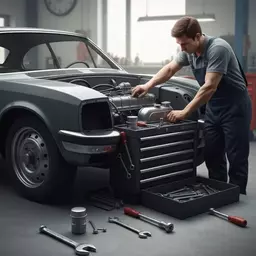
In contrast, full restoration is a more comprehensive approach that aims to return a classic car to its original specifications or even enhance its features. This process often involves disassembling the vehicle and addressing every aspect, from the engine to the bodywork. It requires considerable time, effort, and resources, but when executed well, the results can be breathtaking.
- Mechanical Revitalization: Improving performance and reliability.
- Aesthetic Restoration: Bringing back the car’s original beauty.
- Value Enhancement: Potentially increasing the vehicle’s market value.
Full restoration can be incredibly rewarding but comes with its own set of challenges. As I’ve seen with projects at The Car Chronicle, striking the right balance between preserving history and enhancing performance is crucial for many owners looking to make their classic shine once more.
Exploring Vehicle Preservation: Techniques and Best Practices
When it comes to preserving classic car patina, there are several techniques that can help maintain a vehicle's appearance while protecting its history. These practices ensure that the charm of the original condition remains intact while safeguarding against further deterioration.
- Regular Cleaning: Gentle cleaning methods to avoid removing patina.
- Protective Coatings: Using wax or sealants to shield the surface.
- Climate Control: Keeping the vehicle in a controlled environment to prevent rust and fading.
Emphasizing a preservation approach requires a commitment to ongoing care and maintenance. By adopting these best practices, we can extend the life of our classic cars while honoring the stories they tell. Whether you're leaning towards preserving or restoring, understanding these techniques can help you make the right choice for your cherished vehicle.
Interactive Poll
As you consider your approach to classic car care, we’d love to hear your thoughts! Which method resonates more with you?
Frequently Asked Questions About Classic Car Preservation and Restoration
- What is the main difference between preserving patina and full restoration?
- Preserving patina focuses on maintaining a classic car's original condition and natural aging process, honoring its history. Full restoration, conversely, aims to return the car to its original specifications (or better) through comprehensive repair and replacement of parts, often enhancing its aesthetics and performance.
- Why do some enthusiasts prefer preserving patina?
- Many enthusiasts prefer preserving patina because it retains the vehicle's authenticity, unique character, and tells a story of its past. It's about celebrating the car's journey and original state rather than making it look new.
- What are the key benefits of a full restoration?
- A full restoration can revitalize a car mechanically and aesthetically, improving its performance and reliability while also potentially increasing its market value. It brings the car back to a "like-new" or even better condition.
- What are some best practices for preserving a classic car?
- Best practices include regular gentle cleaning, applying protective coatings like wax or sealants, and storing the vehicle in a climate-controlled environment to prevent rust, fading, and further deterioration.
- What factors should I consider when deciding between preservation and restoration?
- Key factors include defining your personal goals (e.g., performance vs. originality), assessing your budget and available time, considering your emotional connection to the car, and evaluating its historical significance.
Summarizing the Key Considerations for Classic Car Enthusiasts
As classic car enthusiasts, we often find ourselves at a crossroads between preserving the legacy of our vehicles and enhancing their performance. It’s a delicate balance that requires thoughtfulness and a clear understanding of our goals. Are we in it for the love of driving, the history behind the car, or perhaps a bit of both? Finding your ideal path is essential to ensure that you make the right choices for your beloved automobile.
- Define your goals: Are you looking for performance upgrades or maintaining originality?
- Set a budget: Restoration can get costly; know your limits.
- Consider the emotional connection: How does your car's history resonate with you?
- Evaluate historical significance: What does your car represent in automotive culture?
Taking the time to assess these factors will lead you closer to a decision that not only benefits your car but also aligns with your personal values as a car enthusiast. After all, it’s about celebrating the journey as much as the destination!
Decision-Making Framework: A Visual Guide to Choosing Between Preservation and Restoration
To simplify the decision-making process, I’ve created a visual framework that outlines the steps to choose between preservation and restoration. This guide can serve as a quick reference as you navigate your classic car journey. For further guidance, resources like conservation glossaries from cultural heritage organizations can provide valuable context on preservation terminology.
- Reflect on Your Vehicle's Story: Understand what makes your car special and how much of that story you want to keep intact.
- Set Clear Goals: Determine whether you prioritize performance or originality.
- Assess Your Resources: Consider your budget, time, and skills. Are you a DIY enthusiast or would you prefer professional help?
- Research Preservation Techniques: Familiarize yourself with effective methods that maintain your car's patina without compromising its history.
- Explore Restoration Options: Look into various restoration methods that will meet your performance needs while respecting the car's heritage.
This visual framework not only clarifies your options but also serves as a roadmap for making informed decisions. Remember, each choice is a step towards enhancing your classic car experience!
Understanding Restoration Techniques: Common Methods Explained
When it comes to full restoration, knowing the techniques involved can help demystify the process. Here are some common methods that you might consider:
- Bodywork and Painting: Often the first step in restoring a classic, ensuring a smooth and appealing finish.
- Engine Rebuild: Enhancing performance through a comprehensive overhaul of the engine components.
- Interior Restoration: Bringing the cabin back to its former glory with new upholstery, dashboard refurbishing, and more.
- Electrical System Upgrade: Modernizing wiring and components for safety and functionality.
Understanding these techniques allows you to make informed choices about which aspects to focus on in your restoration journey. Each of these methods carries its own set of benefits and challenges, so consider them carefully as you plot your course.
Engaging with the Community: Sharing Your Journey and Experiences
The classic car community is filled with passionate individuals who share a love for automobiles that goes beyond just the mechanics. Engaging with this community is not only rewarding but can also provide valuable insights as you embark on your own journey.
Connecting with Fellow Collectors: The Value of Community Insights
One of the best ways to enhance your classic car experience is to connect with other collectors. They can offer insights that books and articles may not cover. Here’s how to make those connections:
- Join local car clubs: These are great places to meet fellow enthusiasts.
- Participate in online forums: Share experiences and gather advice.
- Attend car shows: A fantastic way to see others' work and get inspired!
Building relationships within the community can lead to friendships and collaborations that deepen your appreciation for the automotive craft.
Documenting Your Process: Benefits of Sharing Your Story
Sharing your journey not only creates a record of your work but also engages others who share your passion. Here are some benefits of documenting your classic car project:
- Inspiration for Others: Your story may encourage someone else to undertake their own restoration or preservation project.
- Feedback and Advice: By sharing your experiences, you invite constructive feedback from the community that can help you improve your techniques.
- Building a Following: Creating a blog or social media account dedicated to your journey can attract fellow enthusiasts and experts alike.
Remember, every classic car has a story, and your experiences add to the rich tapestry of automotive history!
Participating in Classic Car Shows: Showcasing Your Work
Nothing compares to showcasing your hard work at a classic car show. Here’s why participating in shows can be beneficial:
- Networking opportunities: Meet fellow enthusiasts and industry professionals.
- Recognition for your efforts: Showcasing your car can lead to awards or accolades that enhance its value.
- Learning experiences: Observe other vehicles and restoration techniques on display.
Car shows are not just about competition; they’re about celebrating the love of automobiles and sharing your journey with like-minded individuals. So, don’t hesitate to hit the road and show off your work!
Recap of Key Points
Here is a quick recap of the important points discussed in the article:
- Preservation vs. Restoration: Understand the key differences between preserving classic car patina and executing a full restoration, each catering to different enthusiast perspectives.
- Preservation Techniques: Regular cleaning, protective coatings, and climate control are essential for maintaining a vehicle's unique patina.
- Restoration Insights: Full restoration can enhance a classic car's performance and aesthetics but requires careful consideration of historical significance and budget.
- Community Engagement: Connect with fellow collectors, share your journey, and participate in car shows to deepen your appreciation and gain insights.
- Decision-Making Framework: Reflect on your vehicle's story, set clear goals, and assess your resources to make informed choices between preservation and restoration.