The Restoration Journey: Process Flow
Planning
Execution
Documentation
Community
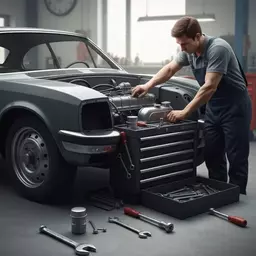
Restoring classic cars is more than just a hobby; it’s a passion project that intertwines history, artistry, and technical skill. As you embark on this journey, you'll uncover valuable insights that can guide your restoration efforts.
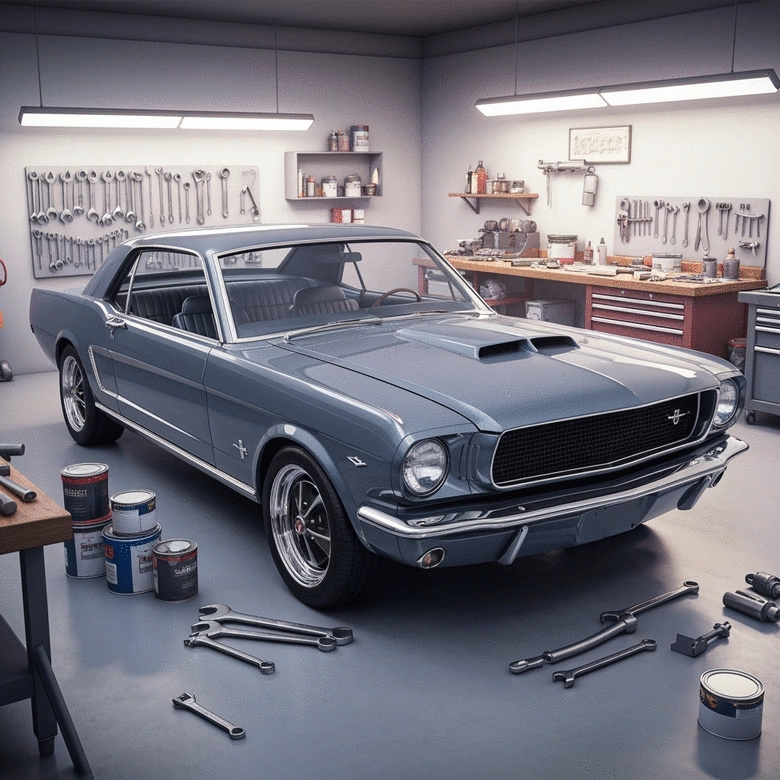
Embarking on a classic car restoration project involves several distinct phases, each with its own set of challenges and rewards. Understanding these stages and the crucial factors at play can help enthusiasts navigate the journey more effectively.
Restoring classic cars is more than just a hobby; it’s a passion project that weaves together history, artistry, and technical skill. For many, each car tells a story—of its original owner, the era it represents, and the experiences it has lived through. At The Car Chronicle, we cherish this narrative aspect, making it a focal point in our exploration of automotive culture. So, what does it truly mean to embark on this restoration journey?
First and foremost, it’s about the dedication to preserving history. Each classic car holds a unique tale that deserves to be preserved, not just in its mechanical integrity but in the memories it inspires. This process requires not only time but a deep emotional investment, as you breathe new life into a vehicle that has seen its share of triumphs and tribulations.
When I think about classic car restoration, I often reflect on the thrill of unearthing hidden gems. Many restorers, including myself, are fueled by a genuine love for the artistry and engineering behind these vehicles. This passion drives us to spend countless hours researching history, tracking down rare parts, and learning techniques that may have been forgotten over the years. You can even find opportunities to engage in classic car restoration competitions that highlight these skills and dedication.
This journey is not just about mechanics; it’s about forming connections—both with the car and with others who share this unique passion. The classic car community is vibrant, filled with individuals eager to share their wisdom and experiences. Some educational institutions are even offering programs where students learn by restoring classic cars in the classroom, providing hands-on experience and preserving these historical vehicles.
As exhilarating as the restoration process sounds, it’s crucial to set realistic expectations from the start. Many first-time restorers dive in with dreams of quick transformations, only to find themselves overwhelmed by unexpected challenges. Trust me, I’ve been there! Taking a step back to understand the complexities of a restoration project can save you a lot of heartache down the road.
By realistically assessing your goals and limitations, you can better navigate the ups and downs of restoration. It’s about enjoying the process and celebrating the victories, no matter how small they may seem.
When restoring a classic car, consider joining online forums and local car clubs. This not only provides you with access to a wealth of knowledge and resources but can also connect you with experienced restorers who can offer invaluable advice and support throughout your project.
Restoring a classic car is not just about bringing an old vehicle back to life; it’s a journey filled with learning experiences. As I look back on my own restoration projects, I’ve discovered that reflecting on these experiences can be invaluable. Understanding the lessons learned allows us to approach future projects with greater insight and wisdom!
One key takeaway is to avoid common pitfalls that many first-time restorers face. By sharing insights from seasoned restorers, we can pave a smoother path for ourselves.
These mistakes often arise from enthusiasm and eagerness to see results. However, with careful consideration and the right mindset, you can avoid them and enjoy a more successful restoration experience.
When you take on a restoration project, it’s also essential to consider the return on investment (ROI). Knowing what to prioritize can help you maintain value in your restored classic car. For example:
By making smart decisions throughout the restoration process, you not only preserve the car’s value but also increase the likelihood of a profitable outcome down the road. It’s always fascinating to watch how classic car values fluctuate based on trends! Remember to also check regulations for reconstructed classic vehicles in your region, as this can affect their legal status and value.
One of the most rewarding aspects of restoring a classic car is documenting the journey. Photography can play a pivotal role in this process. Not only does it serve as a personal keepsake, but it also can be a powerful tool for connecting with fellow enthusiasts. Before and after shots can tell a compelling story of transformation!
When you take the time to document each step, you create a narrative that not only celebrates your hard work but also invites others into your restoration journey.
After completing a restoration, the next exciting chapter begins! Engaging with the automotive community can enrich your experience and ignite new passions. I’ve found that connecting with like-minded enthusiasts is incredibly fulfilling and can lead to lifelong friendships.
Joining car clubs or online restoration communities can be a game-changer. Here’s why:
Take the time to reach out and immerse yourself in these communities—everyone has a story to share, and you might just find your next project partner!
To aid your restoration endeavors, consider utilizing downloadable guides and checklists. These can help streamline your process and ensure you don’t overlook any crucial steps. Resources I recommend include:
Having these resources at your fingertips can simplify your journey and enhance your overall restoration experience.
Once your classic car is restored, participating in car shows is a fantastic way to showcase your hard work. It’s a thrilling opportunity to connect with fellow enthusiasts and share your passion. These events often offer:
Being part of the classic car show scene enriches your journey and can even inspire your next project!
Finally, I encourage you to share your experiences and gather feedback. Whether it’s through social media, blogs, or car clubs, your story can inspire others. Plus, receiving insights from fellow enthusiasts can provide valuable perspectives on your work. Embrace the feedback—it's part of the journey!
As you move forward, remember that restoring a classic car is not only about the destination but the relationships built and stories shared along the way. I can’t wait to hear about your adventures!
Here is a quick recap of the important points discussed in the article:
Cameron Hawthorne, the driving force behind The Car Chronicle, is an automotive enthusiast and master storyteller. With a deep passion for cars and years of industry insight, Cameron expertly weaves together the intricate narratives of automotive culture, blending history, mechanics, and lifestyle into captivating content for both seasoned drivers and curious newcomers.
At The Car Chronicle, we celebrate the intricate tapestry of automotive culture, blending lifestyle, history, and mechanics to connect enthusiasts with the stories and innovations that shape their driving experiences.
Driving Forward, Together