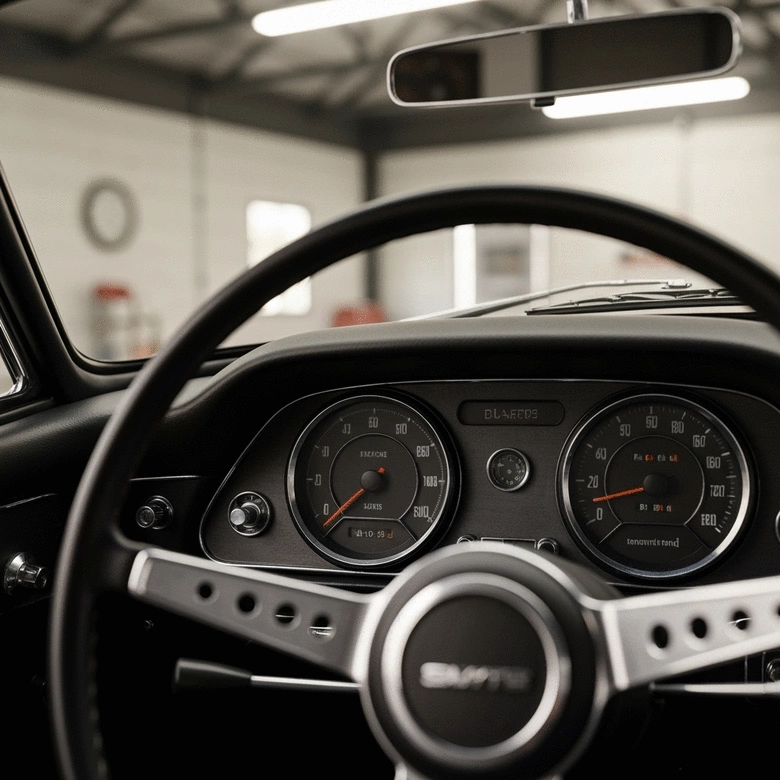
Why Authenticity Matters
- ✓ Investment Protection
- ✓ Connection to History
- ✓ Community Respect
Authenticity safeguards value and enriches ownership.
Have you ever considered the hidden stories behind classic cars? Each vehicle carries a legacy, and in an era where authenticity is paramount, understanding how to verify a classic car's history can be a game changer. Here’s what you’ll uncover about classic car authentication.
Understanding the critical factors for verification, common pitfalls, and the role of emerging tech in the classic car market.
Authenticity safeguards value and enriches ownership.
Awareness is key to avoid misrepresented vehicles.
Proactive steps for addressing authenticity issues.
Tech advancements for a secure verification future.
When it comes to classic cars, authenticity is more than just a buzzword; it’s a critical factor that can significantly impact your investment. As an automotive enthusiast, I’ve seen firsthand how the stories behind these vehicles shape their value and allure. That’s why understanding the importance of verification in classic car purchases is essential for anyone looking to dive into this captivating world.
Classic cars are not merely machines; they are a blend of history, culture, and personal journeys. Knowing that a car has been verified adds an extra layer of trust and credibility, enhancing your ownership experience. Plus, it ensures you’re not just purchasing a façade but a genuine piece of automotive heritage that reflects its true value.
Authenticity is crucial in classic car purchases for several reasons. Firstly, it protects your investment. A verified classic car often appreciates over time, whereas a misrepresented vehicle can lead to substantial financial losses. Secondly, owning an authentic classic car connects you to its rich history. Imagine cruising in a vintage Mustang, knowing it’s the real deal!
Ultimately, when you invest in an authentic classic car, you’re not just buying a vehicle; you’re acquiring a piece of history that will surely resonate with fellow enthusiasts.
Unfortunately, the classic car market is not without its challenges. I’ve come across numerous stories where buyers unknowingly purchase misrepresented vehicles, leading to disappointment and financial strain. Common pitfalls include inaccurate claims about a car’s history, modifications that are misrepresented as original, and even outright fraud.
Being aware of these potential pitfalls can save you from making a regrettable purchase. Do your due diligence and always seek verification before proceeding with a transaction! For more information on vehicle history, consult resources like the National Motor Vehicle Title Information System (NMVTIS) or the NMVTIS Vehicle History portal, which can help you check a car's background.
The classic car market is dynamic, and understanding its trends is vital for any enthusiast or investor. Factors such as model popularity, condition, and market demand can cause values to fluctuate dramatically. For example, a limited production model might skyrocket in value due to growing collector interest.
Staying informed about these trends not only helps you make better purchasing decisions but can also guide you in selling your classic car at the right time.
Owning a classic car comes with its responsibilities, especially regarding verification. It’s not just about having a great-looking vehicle; ensuring its authenticity should be a priority. This responsibility includes researching the car’s history, maintaining accurate documentation, and being part of the community that values authenticity.
When you embrace these responsibilities, you’re not only preserving the legacy of the vehicle but also contributing to the broader automotive culture that The Car Chronicle passionately celebrates. Let’s keep the stories of our classic cars alive together!
As we delve deeper into the world of classic cars, we want to hear from you! How important do you think authenticity is when purchasing a classic car? Share your thoughts below:
Authenticity is crucial for protecting your investment, enhancing your ownership experience by connecting you to the car's history, and ensuring you are not purchasing a misrepresented vehicle.
Common pitfalls include altered VINs, fake documentation, and misleading sales pitches. Being aware of these can help you avoid fraudulent purchases.
If you discover authenticity issues, you should gather all relevant documentation, consult a classic car expert or appraiser, seek legal advice if necessary, and contact the seller to discuss a resolution.
Emerging technologies like blockchain create immutable records of vehicle history, while AI can analyze data for inconsistencies. These technologies enhance transparency and trust in transactions.
It's important to seek specialized classic car insurance policies that offer features like agreed value coverage. Comparing quotes and understanding usage-based options can help you find the best coverage.
So, you’ve just purchased a classic car—exciting, right? But what if you discover that it's not as authentic as you thought? Addressing potential authentication issues is crucial for protecting your investment and ensuring you get the true value of your purchase.
If you find discrepancies in documentation or physical features, don’t panic! There are steps you can take to assess and rectify the situation.
First, let’s outline what you should do if your classic car doesn’t meet authenticity standards:
Taking these steps can help you navigate the complex waters of classic car ownership. Remember, it’s about being proactive and informed. Documentation is your best friend in these situations!
When it comes to classic cars, the law can be as intricate as the vehicles themselves. If you find yourself in a dispute over authenticity, here are a few legal considerations to keep in mind:
As an automotive enthusiast, I can’t stress enough the importance of being informed about your rights! Knowing your options will empower you to handle any situation that arises.
Now that you’ve dealt with any potential authentication issues, let’s talk about insurance. Classic car insurance is vital for safeguarding your investment against unforeseen circumstances. Here are some tips to ensure you get the best coverage:
By investing in the right insurance, you’ll have peace of mind knowing that your classic car is protected while you enjoy the open road!
As we continue to explore the world of classic cars, it's fascinating to see how technology is shaping authentication processes. New innovations are making it easier to verify the authenticity of vehicles like never before!
One of the most exciting advancements in classic car authentication is the integration of blockchain technology and artificial intelligence. Here’s how they help:
Imagine being able to verify your classic car's history with just a few clicks! This technology is paving the way for a more secure future in classic car transactions.
As technology evolves, so do the methods for authenticating classic cars. Here’s how you can future-proof your investment:
By embracing new technologies, you not only protect your investment but also enhance your overall classic car experience!
Lastly, let’s not overlook the power of visuals in classic car authentication. High-quality photography can serve as a valuable tool for documentation:
Photography not only preserves the history of your classic car but also serves as proof of authenticity. With the right images, you can tell the story of your vehicle just as I do here at The Car Chronicle!
Here is a quick recap of the important points discussed in the article:
Cameron Hawthorne, the driving force behind The Car Chronicle, is an automotive enthusiast and master storyteller. With a deep passion for cars and years of industry insight, Cameron expertly weaves together the intricate narratives of automotive culture, blending history, mechanics, and lifestyle into captivating content for both seasoned drivers and curious newcomers.
At The Car Chronicle, we celebrate the intricate tapestry of automotive culture, blending lifestyle, history, and mechanics to connect enthusiasts with the stories and innovations that shape their driving experiences.
Driving Forward, Together