
Fluid Levels
- Checks: Oil, Coolant, Brake Fluid
- Frequency: Monthly / Before long trips
- Severity: High (Engine damage, overheating, brake failure)
Critical Impact
Have you ever felt overwhelmed by the responsibilities of car ownership? Understanding the essentials of car maintenance can transform that daunting experience into a manageable routine. With this guide, new drivers can confidently navigate their journey toward maintaining a reliable vehicle!
This visual highlights the key car maintenance areas, their recommended check frequencies, and severity of potential issues if neglected.
As a new driver, stepping into the world of car ownership can be both exciting and daunting! At The Car Chronicle, we believe that understanding car maintenance is key to enjoying your driving experience. Whether you're behind the wheel of your first car or a used vehicle, regular maintenance is essential to keep your ride smooth, safe, and reliable.
In this guide, I’ll walk you through the basics of car maintenance, helping you build confidence in taking care of your vehicle. From understanding the vital components to creating a maintenance schedule, you'll find everything you need to keep your car in top shape!
Regular maintenance is like a health check-up for your car. It ensures that everything is functioning properly and helps prevent bigger issues down the road. For new drivers, understanding this can save time, money, and stress. By keeping up with maintenance, you'll enhance your vehicle's performance, safety, and longevity.
Think of it this way: just as you wouldn’t ignore a warning sign in your body, you shouldn’t overlook your car’s needs. Regular check-ups can help avoid costly repairs and keep your car running smoothly!
Many new drivers often have misconceptions about what car maintenance truly entails. One common myth is that you only need to worry about maintenance when something goes wrong. In reality, preventive care can help you catch small issues before they escalate into major problems!
As you learn more about your vehicle, you’ll discover that most car maintenance tasks are straightforward and can easily be integrated into your routine!
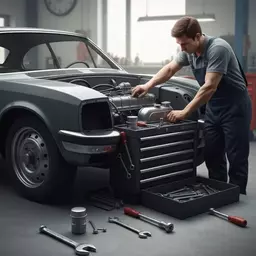
One of the first things to keep an eye on is your fluid levels. The three critical fluids to monitor are oil, coolant, and brake fluid. Regular checks can help you understand the health of your vehicle. Low oil levels can lead to engine problems, while insufficient coolant might cause overheating!
By keeping these fluids topped off, you'll foster a more reliable driving experience as you navigate the roads!
Your tires are the only contact your car has with the road, so maintaining them is vital! Regularly check tire pressure, tread depth, and rotation schedule. Properly inflated tires enhance fuel efficiency and ensure better handling.
Taking these simple steps can significantly improve your safety and driving experience!
Pay attention to your battery! Look for signs of corrosion around the terminals or any dimming lights while you’re driving. If your car has difficulty starting, it might be time to replace the battery. Regularly cleaning the terminals and ensuring a secure connection can extend battery life.
With a little diligence, you can ensure your battery is always ready to go!
Don’t forget about your air filter and wiper blades! A clean air filter improves engine efficiency, while good wiper blades ensure clear visibility during rain. These are often overlooked but are crucial for your vehicle's performance.
These small checks can make a big difference in your driving comfort and safety!
Creating a car maintenance schedule is an excellent way to stay organized and ensure you don’t miss vital checks. Start by making a list of tasks to perform monthly, biannually, and annually. Consistency is key!
By setting reminders and sticking to this plan, you'll keep your car in great shape!
Different seasons bring unique challenges for car maintenance. Preparing for winter, for example, may require checking antifreeze levels and ensuring your tires are suitable for snow and ice.
Adjusting your maintenance routine to accommodate the seasons can help prolong your vehicle’s life!
Your car manual is an invaluable resource! It contains specific information on maintenance schedules, fluid types, and recommendations tailored to your vehicle. Make it a habit to consult your manual whenever you have questions.
By leveraging this information, you’ll enhance your understanding of your vehicle and its needs!
As a new driver, it’s important to know when to tackle repairs yourself and when to seek professional help. Simple tasks like changing wiper blades or checking fluid levels can easily be done at home.
Being able to handle basic maintenance tasks will empower you and save you money!
Understanding maintenance costs is crucial for new drivers. It helps you budget effectively and avoid surprises. Regular maintenance is an investment; it’s about keeping your car running well and minimizing major repair costs.
By planning ahead, you’ll feel more prepared for any maintenance expenses that arise!
When visiting a mechanic, being informed can help you make better decisions. Ask questions about any repairs and don’t hesitate to request explanations. A good mechanic will appreciate your curiosity!
By empowering yourself with knowledge, you’ll navigate the mechanic’s office with confidence!
Warning lights on your dashboard are your car's way of communicating with you! Understanding what each light means can help you address issues promptly. Always consult your manual for guidance on specific warnings.
Recognizing these signals early can prevent further damage and costly repairs!
Pay attention to any unusual sounds or smells while driving. These can signal problems that need attention. For example, a grinding noise could indicate brake wear, while a burning smell might suggest overheating.
Being vigilant can save you from significant headaches down the road!
If your check engine light illuminates, don't panic! It’s a sign that something needs attention, but it doesn’t always mean immediate doom. Start by checking your gas cap, as a loose cap can trigger the light.
Staying calm and informed can help you respond appropriately to this common situation!
As electric vehicles (EVs) become more popular, understanding their maintenance needs is essential. EVs have fewer moving parts, which can mean lower maintenance costs, but they still require specific care.
Being aware of these needs helps ensure your EV remains reliable and efficient!
Smart technology can assist in monitoring your vehicle's health. From diagnostic tools to apps that remind you of maintenance needs, embracing tech can streamline your car care!
Incorporating technology not only enhances your maintenance routine but also keeps you connected to your vehicle's performance!
Hybrid vehicles have specific maintenance requirements, combining elements of both gas and electric. Understanding these needs will ensure optimal performance and longevity.
By staying informed about your hybrid, you'll enjoy the benefits of efficiency and performance!
Utilizing checklists can simplify your maintenance routine. Create a checklist for monthly and seasonal tasks to ensure you don’t overlook any important upkeep.
These tools can help you stay organized and proactive about car care!
Engaging with community resources can enhance your car maintenance knowledge. Look for workshops in your area or online forums where you can share experiences and tips with fellow drivers.
Connecting with others can provide valuable insights and a sense of camaraderie!
Keeping a maintenance log is an excellent way to track all the services your vehicle has undergone. This log can be a simple notebook or an app that records everything from oil changes to tire rotations.
A well-maintained log can enhance your understanding of your vehicle and help you stay on top of necessary tasks!
Did you know? Keeping a maintenance log not only helps track your vehicle’s service history but also empowers you to notice patterns in your car’s performance. Regularly updating this log can save you time and money by allowing you to catch potential issues before they escalate!
As we wrap up our guide on car maintenance, it’s crucial to highlight the key takeaways for new drivers. Understanding the basics of car maintenance not only keeps your vehicle running smoothly but also ensures your safety on the road. Remember, being proactive can save you both time and money in the long run!
Here are some essential points to keep in mind:
By following these steps, you’ll feel more confident in managing your vehicle and enjoying the open road ahead!
Transitioning from a new driver to a confident car owner involves embracing a proactive maintenance mindset. It’s easy to overlook minor issues until they become major problems, but a little vigilance goes a long way. Think of your car as a companion on your journeys—it deserves your attention just as much as you rely on it!
Start forming habits that prioritize maintenance:
By committing to these practices, you'll not only ensure your vehicle stays in top shape but also deepen your connection with the automotive world. At The Car Chronicle, we believe that informed drivers create a thriving automotive community! For additional resources on vehicle safety and maintenance, visit the Florida Highway Safety and Motor Vehicles website.
Now that you’ve got the fundamentals down, it’s time to engage with fellow drivers! Sharing experiences can provide valuable insights and foster a sense of community among car enthusiasts. Here’s how you can get involved:
At The Car Chronicle, we love hearing stories from our readers. Have you discovered a maintenance tip that made a difference in your car's performance? Or perhaps you faced a challenge that taught you an important lesson? Your experiences can inspire others!
Engaging with your peers not only enhances your knowledge but also helps create a supportive network of car enthusiasts!
We’d love to hear your feedback and the tips that worked wonders for you! Whether it’s a specific routine or a tool that made your maintenance process easier, sharing is caring! Here are a few ways to contribute:
At The Car Chronicle, we believe that every voice matters. Together, we can cultivate a rich tapestry of automotive knowledge that benefits all drivers, new and experienced alike. So, let’s dive into this journey together!
Here is a quick recap of the important points discussed in the article:
Cameron Hawthorne, the driving force behind The Car Chronicle, is an automotive enthusiast and master storyteller. With a deep passion for cars and years of industry insight, Cameron expertly weaves together the intricate narratives of automotive culture, blending history, mechanics, and lifestyle into captivating content for both seasoned drivers and curious newcomers.
At The Car Chronicle, we celebrate the intricate tapestry of automotive culture, blending lifestyle, history, and mechanics to connect enthusiasts with the stories and innovations that shape their driving experiences.
Driving Forward, Together