
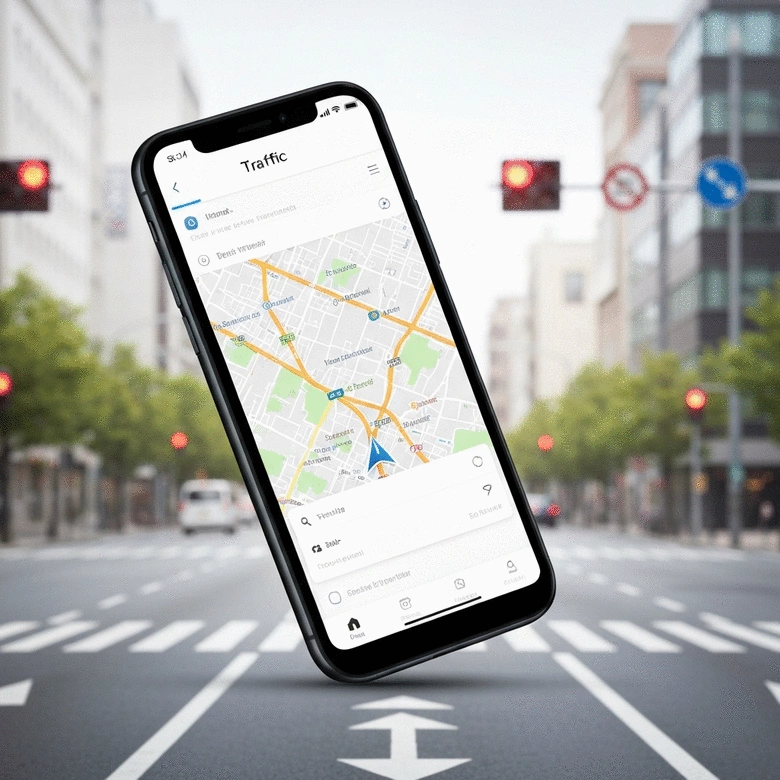
App Core Strengths
Google Maps
Comprehensive mapping, user-friendly interface.
Waze
Community-driven insights, real-time updates.
Apple Maps
Seamless iOS integration, urban navigation features.
In an age where traffic jams and road closures can ruin your journey, the right navigation app can be your best ally. With advanced features and real-time updates, these apps not only guide you but also enhance your overall driving experience. Let’s explore why these tools matter and what to look for when choosing one.
A side-by-side comparison of Google Maps, Waze, and Apple Maps' core functionalities.
Google Maps
Comprehensive mapping, user-friendly interface.
Waze
Community-driven insights, real-time updates.
Apple Maps
Seamless iOS integration, urban navigation features.
Daily Commuters
Google Maps & Waze (live traffic)
Casual Drivers
Apple Maps (user-friendly for iOS)
Truck/Fleet Drivers
Sygic (specialized routing)
Personalization
Tailored routes based on preferences.
Augmented Reality
Real-time navigation overlays.
Smart Vehicle Integration
Sync with car settings.
Understand Your Needs (real-time, offline, community)
Consider Your Device (OS compatibility, especially iOS)
Evaluate Features (traffic alerts, routing, integrations)
As a car enthusiast and storyteller, I understand that the driving experience today is vastly different than it was just a few years ago. With the rise of navigation apps, our journeys have evolved from simple maps to sophisticated tools that analyze traffic conditions in real-time. These apps not only help us reach our destinations faster but also make our trips more enjoyable by avoiding congestion and unexpected road issues!
In this digital age, understanding the landscape of navigation apps is essential for every driver. Whether you're commuting to work, heading out for a weekend adventure, or simply running errands, having the right app at your fingertips can significantly enhance your driving experience. Let's dive into the reasons why navigation apps matter and the features you should look for when choosing one!
Navigation apps have become indispensable tools for drivers. They provide much more than just directions; they offer insights into traffic patterns, road closures, and even weather conditions that might affect your route. This can be a game-changer when you need to adjust your journey on the fly!
With features that cater to both daily commuters and road trip enthusiasts, navigation apps are reshaping how we think about driving. They allow us to focus more on the journey rather than the stress of getting lost or caught in traffic.
When searching for the best navigation app, it's crucial to consider several key features that can significantly affect your driving experience. Not all apps are created equal, so here are some essential aspects to keep in mind:
By identifying these key features, you can select an app that aligns with your driving style and needs. Let’s now compare some of the most popular navigation apps on the market!
As I explored the various navigation apps available, three stood out for their unique features and user experiences: Google Maps, Waze, and Apple Maps. Each offers distinct advantages that cater to different driving preferences.
Choosing the right app can enhance your journey, whether you're an everyday driver or someone who enjoys exploring new places. Now, let’s dive deeper into each app in the next section!
When choosing a navigation app, consider testing a few options during your daily commute. This way, you can evaluate how well they adapt to your driving style and respond to real-time traffic conditions. Many apps offer free trials or basic versions—take advantage of these to find the perfect fit for your needs!
Navigation apps are crucial because they offer real-time traffic updates, insights into road closures, and even weather conditions, helping drivers avoid congestion, save time, and enhance safety by alerting them to hazards.
Essential features include real-time traffic updates, offline map capabilities for areas with poor connectivity, voice-guided navigation for hands-free use, and community features that provide user-generated alerts about accidents or road hazards.
The most popular apps are Google Maps (comprehensive mapping, user-friendly), Waze (community-driven insights, real-time updates), and Apple Maps (seamless iOS integration, urban navigation features).
Your choice should align with your driving habits. Daily commuters might prefer Google Maps or Waze for live traffic, casual drivers may find Apple Maps user-friendly, and truck/fleet drivers could benefit from specialized apps like Sygic. Consider your priorities, such as real-time updates, offline access, or community input.
Future trends include increased personalization based on user preferences, enhanced augmented reality (AR) features for real-time navigation overlays, and deeper integration with smart vehicles to sync with car settings, reflecting advancements like those promoted by the Strategic Highway Research Program (SHRP).
As we wrap up our exploration of traffic navigation apps, it's clear that choosing the right one can significantly enhance your driving experience. Each app comes with its own unique set of features tailored to different needs. To help you navigate this maze, I’ve put together a few key insights based on what I’ve learned from both personal experience and conversations with fellow automotive enthusiasts.
Knowing what features matter most to you can help make the decision easier. Remember, the best app for your daily drives may differ from what works for someone else!
When selecting a navigation app, it’s essential to align your choice with your driving habits. For instance, if you frequently travel in urban areas, features like real-time traffic reports and strong integration with public transport options may be crucial. On the other hand, if you're a road trip enthusiast, offline navigation capabilities might be your top priority.
It’s all about finding an app that works best for your individual needs. Take the time to try out different options; many of them are free, so experimenting won't cost you anything!
Looking ahead, the landscape of navigation technology is evolving rapidly. Advancements in artificial intelligence and machine learning are paving the way for smarter navigation systems that can anticipate user needs and adapt routes dynamically based on driving habits and environmental changes.
As these trends unfold, I’m excited to see how they will shape not just our driving experiences but also our relationships with our vehicles. It's all part of the journey we share as automotive enthusiasts!
Here is a quick recap of the important points discussed in the article:
Cameron Hawthorne, the driving force behind The Car Chronicle, is an automotive enthusiast and master storyteller. With a deep passion for cars and years of industry insight, Cameron expertly weaves together the intricate narratives of automotive culture, blending history, mechanics, and lifestyle into captivating content for both seasoned drivers and curious newcomers.
At The Car Chronicle, we celebrate the intricate tapestry of automotive culture, blending lifestyle, history, and mechanics to connect enthusiasts with the stories and innovations that shape their driving experiences.
Driving Forward, Together